
• MÓDULO 1 – História da Psiquiatria no Mundo e no Brasil
  • Da Antiguidade ao Iluminismo. As Raízes da Psiquiatria
  • O Século XIX: Psiquiatria Científica e a Nosologia de Kraepelin e Bleuler
  • Psiquiatria no Século XX: Fenomenologia, Psicanálise e Modelos Psicodinâmicos
  • História da Psiquiatria no Brasil, Psicofarmacologia e Modelos Contemporâneos
  • MÓDULO 2 – Epidemiologia dos Transtornos Psiquiátricos
  • Fundamentos de Epidemiologia Psiquiátrica e Importância Clínica
  • Epidemiologia Global dos Transtornos Psiquiátricos e Carga de Doença
  • Epidemiologia dos Transtornos Psiquiátricos no Brasil: Dados, Desigualdades e Impactos
  • Fatores de Risco, Fatores de Proteção e Determinantes Sociais em Saúde Mental
  • MÓDULO 3 – Psicopatologia Clínica
  • Introdução à Psicopatologia Clínica e à Entrevista Psiquiátrica
  • Exame do Estado Mental: Consciência, Atenção, Orientação e Memória
  • Percepção e Pensamento
  • Linguagem, Consciência e Orientação
  • Atenção, Memória e Inteligência
  • Afetividade, Humor e Emoções
  • Vontade, Psicomotricidade e Comportamento
  • Integração do Exame do Estado Mental e Casos Clínicos
  • MÓDULO 4 – Transtornos de Ansiedade
  • Ansiedade: Conceitos Fundamentais e Psicopatologia
  • Transtorno de Ansiedade Generalizada (TAG)
  • Transtorno de Pânico e Agorafobia
  • Fobias Específicas e Transtorno de Ansiedade Social
  • Transtornos Relacionados ao Estresse: Transtorno de Estresse Agudo e Transtorno de Estresse Pós-Traumático
  • Transtorno Obsessivo-Compulsivo e Transtornos Relacionados
  • Neurobiologia dos Transtornos de Ansiedade
  • Psicoterapias nos Transtornos de Ansiedade
  • MÓDULO 5 – Transtornos do Humor e Depressão
  • Transtornos do Humor: Conceitos Fundamentais e Bases Psicopatológicas
  • Transtorno Depressivo Maior
  • Avaliação do Risco de Suicídio e Comportamento Suicida
  • Transtorno Depressivo Persistente (Distimia)
  • Transtorno Bipolar: Introdução e Diagnóstico Diferencial com Depressão
  • Transtorno Bipolar: Tipos, Curso Clínico e Comorbidades
  • Neurobiologia dos Transtornos do Humor
  • Psicoterapias nos Transtornos do Humor
  • MÓDULO 6 – Esquizofrenia e Transtornos Psicóticos
  • Psicose: Conceito e Semiologia Clínica
  • Esquizofrenia: Diagnóstico e Curso Clínico
  • Transtornos Delirantes: Conceito, Diagnóstico e Diferencial
  • Psicose Induzida por Substâncias: Diagnóstico e Diferencial
  • Intervenções Psicossociais, Prognóstico e Adesão ao Tratamento
  • MÓDULO 7 – Transtornos Alimentares
  • Anorexia Nervosa
  • Bulimia Nervosa
  • Transtorno da Compulsão Alimentar Periódica (TCAP)
  • Abordagem Multidisciplinar nos Transtornos Alimentares
  • Psicoterapia e Farmacoterapia nos Transtornos Alimentares
  • MÓDULO 8 – Transtornos de Personalidade
  • Conceito de Personalidade e Transtornos de Personalidade
  • Avaliação Clínica e Diagnóstico dos Transtornos de Personalidade
  • Transtornos de Personalidade: Cluster A
  • Transtornos de Personalidade: Cluster C
  • O Modelo Dimensional da CID-11 nos Transtornos de Personalidade
  • Manejo Clínico, Psicoterapia e Farmacoterapia
  • Prognóstico, Vínculo Terapêutico e Limites da Atuação Médica
  • MÓDULO 9 – Dependências Químicas e Comportamentais
  • Conceitos Fundamentais: Uso, Abuso e Dependência
  • Neurobiologia da Dependência
  • Transtornos Relacionados ao Uso de Álcool
  • Transtornos Relacionados ao Uso de Outras Substâncias
  • Dependências Comportamentais
  • Avaliação Clínica, Diagnóstico e Comorbidades
  • Abordagens Psicossociais e Redução de Danos
  • Prognóstico, Recaída e Papel do Médico
  • MÓDULO 10 – Burnout e Estresse
  • Estresse: Conceitos, Fisiologia e Psicopatologia
  • Neurobiologia do Estresse Crônico
  • Burnout: Conceito, Critérios e Diagnóstico
  • Burnout em Profissionais de Saúde
  • Diagnóstico Diferencial: Burnout, Depressão e Ansiedade
  • Manejo Clínico e Intervenções Psicoterápicas no Burnout
  • Prevenção do Burnout, Promoção de Saúde Mental e Papel das Instituições
  • MÓDULO 11 – Adolescência e Vício em Telas
  • Impactos Clínicos do Uso Excessivo de Telas: Sono, Cognição, Humor e Comportamento
  • Avaliação Clínica, Diagnóstico Diferencial e Comorbidades
  • Manejo Clínico, Familiar e Psicoterápico
  • Prevenção, Orientação Parental e Papel do Médico
  • MÓDULO 12 – Transtorno de Déficit de Atenção e Hiperatividade (TDAH)
  • Neurobiologia do TDAH
  • Sintomatologia do TDAH ao Longo do Ciclo Vital
  • Diagnóstico Diferencial e Comorbidades
  • Tratamentos do TDAH: Farmacológicos e Não Farmacológicos
  • MÓDULO 14 – Psiquiatria Contemporânea, Integrativa e Estilo de Vida
  • Psiquiatria Contemporânea: Limites do Modelo Tradicional e Novos Caminhos
  • Psiquiatria Integrativa Baseada em Evidências: Fundamentos, Possibilidades e Limites
  • Estilo de Vida e Saúde Mental: Sono, Atividade Física, Nutrição e Estresse
  • Terapias Convulsivas e Neuromodulação: ECT e Estimulação Cerebral Não Invasiva
  • Futuro da Psiquiatria Clínica: Integração, Tecnologia e Responsabilidade Médica

(Português do Brasil) Ao final de cada módulo é necessário responder ao quiz de perguntas sobre o módulo para avançar ao módulo seguinte.

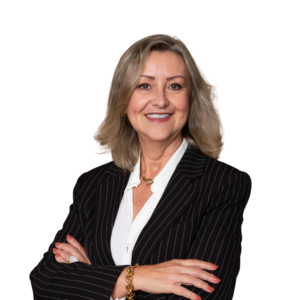
Full Professor/Coordinator

Common Questions

Are all courses taught at the Institute's headquarters?

No. We have various hospitals as our partners for the realization of the classrooms.

Are the Institute's courses recognized by the MEC?

Yes. On the last day 09/26/2019, we obtained the Accreditation of the Ministry of Education as a Higher Education Institution with a high quality concept.

With this authorization issued by the MEC, we are able to certify our Lato Sensu Postgraduate courses. In a continuous process, we obtained the approval, also from MEC, of ​​the Undergraduate Course in Hospital Management and now we are also a Faculty.

Who can take the courses at Instituto Carlos Chagas-ICC?

  • Undergraduate courses can be taken by people who have complete high school.
  • Extension/Improvement Courses can be taken by people who have attended or are pursuing a degree.
  • Postgraduate courses can only be taken by those who have completed a graduation, depending on the completed course and the intended course.

What is the class schedule for an ICC Undergraduate course?

From 5 pm to 9 pm.

Do all ICC courses offer a certificate recognized by the MEC?

Yes.

How much of the course do I need to attend to receive the certification?

To receive the certificate of a course, the student must fulfill at least 75% of all classes and activities.

How long does an ICC Postgraduate course last?

Depends on the area, always a minimum of 360h.
In the case of courses for doctors, some last 2 or 3 years, and the load annual hourly is about 2,880h.


Until when can I register for an ICC course?

In the Undergraduate and Postgraduate courses, the candidate can make his registration until the deadline established in the announcement. In Extension/Improvement courses until the date defined in the course page, or at any time for courses on offer to be continued.

How do I pay monthly fees?

By bank slip, bank transfer or credit card.

Scholarships are available at the ICC

Usually not, depending on the direction of the ICC as well as the coordinator of the course.

What documents are required to enroll in an ICC Postgraduate selection process?

  • Proof of deposit or bank transfer for the fee registration (receipts of deposit by check, or at an ATM, will only be accepted after confirmation of deposit by the bank);
  • Copy of diploma and school transcript;
  • Curriculum vitae or curriculum lattes;
  • Copy of the council card or identity card and CPF (Brazilians);
  • Copy of passport (foreigners).


What documents are required to enroll in an ICC Postgraduate course?

  • General Registration -RG (Brazilians and foreigners);
  • National Registry of Foreigners – RNE (foreigners);
  • Passport (foreigners);
  • CPF (Brazilians and foreigners, those who do not have it, will receive a deadline to provide it);
  • Professional Registration (Brazilians);
  • Diploma and School Transcript (Brazilian);
  • Diploma and School Transcript, both apostilled, translated and sworn in Brazil (foreigners);
  • Two 3×4 photos (Brazilians and foreigners).

If I can't send all the documents, can I still take the course?

No, it is necessary to deliver all the documents, with the exception of the one(s) that you are given a deadline to do so.

Can I register in person or only on the website?

All enrollments are done in person, and it is important that the candidate is in possession of all the original documents requested for the registration, if there is a need for verification at the time of registration.

What happens if I miss the registration deadline?

Failure to register within the deadlines will result in withdrawal, for lack of registration, and loss of a place in the course, being called the next classified.

What are the opening hours of the ICC secretariat?

From 10 am to 4 pm, Monday to Friday.

How do I request statements, certificates, cancellation, locking or any other document?

Through the Student Portal (ead.carloschagas.org.br), in the DOCUMENTS REQUEST tab.

How long can I keep my registration locked?

Within 01 (one) year after the withdrawal, requesting its return by email to the ICC Postgraduate Coordination.

How do transfers between courses work at ICC?

The transfer request between courses can be made at the end of each year studied, outside this period it can be done as a leave of absence or waiver. The student must first inform the Head teacher of their current course, then to the General Coordination of Graduate Studies at ICC and, subsequently, inform the Professor of the course of interest. Only with the opinion of acceptance is that the transfer will be carried out, remembering that for some courses the transfer will only take place upon approval in selective process.

When can I request a certificate and what is the deadline for issuing postgraduate course completion certificates?

The issuance of the Course Completion Certificate is subject to the grade minimum for passing (7.0) and completion of all activities and classes. To the student who obtains approval in everything, and also in the TCC, if any, will be Certificate of Specialization (lato sensu) is granted.

Deadlines: up to 10 working days for the Digital Certificate and up to 30 working days for the Printed certificate, upon request through the student portal.


Do all Graduate courses require TCC? How is the TCC?

Usually yes, and preferably in the form of publishing an article scientific.

Do ICC Graduate courses have holidays?

It depends on the course, but most of them have a recess, to match the professor of the course.

Need help?

Call now to: (21) 2262-6523

Our Partners

Cookies Permission

We collect information from your device and your navigation through cookies to improve the functioning of the pages, measure the audience and offer a better experience on the site. By continuing to browse, you agree to our Privacy and Cookie Policy.